Κατηγορία: products

  • 10 Surprising Health Benefits of Honey

    10 Surprising Health Benefits of Honey

    Since ancient times, honey has been used as both a food and a medicine.

    It’s very high in beneficial plant compounds, and offers several health benefits.

    Honey is particularly healthy when used instead of refined sugar, which is 100% empty calories.

    Here are the top 10 health benefits of honey that are supported by science.

    1. Honey Contains Some Nutrients

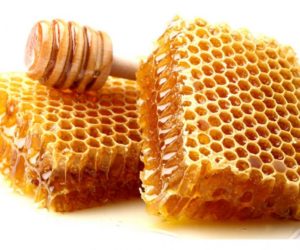
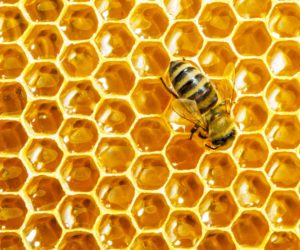
    Honey is a sweet, thick liquid made by honeybees.

    The bees swarm their environment and collect the sugar-rich nectar of flowers (1).

    Then inside the beehive, they repeatedly consume, digest and regurgitate (“vomit”) the nectar.

    The end product is honey, a liquid that is supposed to serve as stored food for the bees. The smell, color and taste depend on the types of flowers the bees visit.

    Nutritionally, 1 tablespoon of honey (21 grams) contains 64 calories and 17 grams of sugar, including fructose, glucose, maltose and sucrose.

    It contains virtually no fiber, fat or protein .

    It also contains trace amounts (under 1% of RDA) of several vitamins and minerals, but you would have to eat many pounds to fulfill your daily requirements.

    Where honey shines is in its content of bioactive plant compounds and antioxidants. Darker types tend to be even higher in these compounds than lighter types

     2.High-Quality Honey Is Rich in Antioxidants

    High-quality honey contains many important antioxidants. These includes phenols, enzymes and compounds like flavonoids and organic acids (5).

    Scientists believe that it is the combination of these compounds that gives honey its antioxidant power (5).

    Interestingly, two studies have shown that buckwheat honey increases the antioxidant value of the blood (67).

    Antioxidants have been linked to reduced risk of heart attacks, strokes and some types of cancer. They may also promote eye health (8).

    Honey contains a number of antioxidants, including phenolic compounds like flavonoids.

    3. Honey Is “Less Bad” Than Sugar for Diabetics

    The evidence on honey and diabetes is mixed.

    On one hand, it can help with some risk factors that are common in diabetics.

    For example, it lowers LDL cholesterol, triglycerides and inflammation, and raises HDL (the “good”) cholesterol (91011).

    However, some studies have found that it can also increase blood sugar levels, just not as much as refined sugar (10).

    So, while honey may be “less bad” than refined sugar for diabetics, it is still something that diabetics should only consume with caution.

    In fact, diabetics may do best minimizing all high-carb foods .

    Some studies show that honey improves heart disease risk factors in diabetics. However, it also raises blood sugar levels, so it can not be considered “diabetic-friendly.

    4. The Antioxidants in It Can Help Lower Blood Pressure

    Blood pressure is an important risk factor for heart disease, and honey may help lower it.

    This is because it contains antioxidant compounds that have been linked to blood pressure lowering effects (13).

    Studies in both rats and humans have shown modest reductions in blood pressure from consuming honey (1415).

    Eating honey may lead to modest reductions in blood pressure, which is an important risk factor for heart disease.

    5.Honey Also Helps Improve Cholesterol

    Having high LDL cholesterol levels is an important risk factor for heart disease.

    It plays a major role in atherosclerosis, the fatty buildup in the arteries that can lead to heart attacks and strokes.

    Interestingly, several studies have shown that honey can improve your cholesterol levels.

    It reduces total and LDL cholesterol, while significantly raising HDL (the “good”) cholesterol.

    For example, one study in 55 patients compared honey to table sugar. It found that it caused a 5.8% reduction in LDL and a 3.3% increase in HDL. It also caused weight loss of 1.3%, compared to sugar .

    Honey seems to have a positive effect on cholesterol levels. It leads to modest reductions in total and LDL cholesterol, while raising HDL.

    6.Honey Can Lower Triglycerides

    Elevated blood triglycerides are another major risk factor for heart disease.

    They are also a key sign of insulin resistance, a major driver of type 2 diabetes.

    Triglyceride levels tend to increase on a diet that is high in sugar and refined carbs.

    Interestingly, multiple studies have linked regular honey consumption with lower triglyceride levels, especially when it is used to replace sugar (9101116).

    For example, one study that compared honey and sugar found 11-19% lower triglyceride levels in the honey group (17).

    Elevated triglycerides are a risk factor for heart disease and type 2 diabetes. Several studies show that honey can lower triglyceride levels, especially when it is being used to replace sugar.

    7. The Antioxidants in It Are Linked to Other Beneficial Effects on Heart Health

    Again, honey is a rich source of phenols and other antioxidant compounds. Many of these have been linked to a reduced risk of heart disease .

    They may help the arteries in the heart dilate, increasing blood flow to the heart. They may also help prevent the formation of blood clots, which can lead to heart attacks and strokes.

    Furthermore, one study in rats showed that honey protected the heart from oxidative stress.

    All this being said, there is no long-term human study available on honey and heart health, so take this with a grain of salt.

    The antioxidants in honey have been linked to beneficial effects on heart health, including increased blood flow to the heart and a reduced risk of blood clot formation.

    8.Honey Promotes Burn and Wound Healing

    Applying honey to the skin has been used to heal wounds and burns since ancient Egypt, and is still being used today.

    In one review from 2015, 26 studies on honey and wound care were evaluated .

    This review found that it is most effective at healing partial thickness burns and wounds that have become infected after surgery .

    It is also an effective treatment for diabetic foot ulcers, which are very serious complications and can lead to amputation .

    One study reported a 43.3% success rate with honey as a wound treatment. In another study, topical honey healed a whopping 97% of patients being treated for their diabetic ulcers .

    Researchers believe that its healing powers come from its antibacterial and anti-inflammatory effects, as well as its ability to nourish the surrounding tissue .

    What’s more, it can help treat other skin conditions, including psoriasis, hemorrhoids and herpes lesions .

    When applied to the skin, honey can be part of an effective treatment plan for burns, wounds and many other skin conditions. It is particularly effective for diabetic foot ulcers.

    9.Honey Can Help Suppress Coughs in Children

    Coughing is a common problem for children with upper respiratory infections.

    It can affect sleep and quality of life, for both the children and their parents.

    However, mainstream medications for cough are not always effective and can have side effects.

    Interestingly, honey may be a better choice. The evidence shows that it is very effective .

    One study found that it worked even better than two common cough medications .

    Another study found that it reduced cough symptoms and improved sleep even more than cough medication.

    Nevertheless, it should never be given to children under 1 year of age, due to the risk for botulism .

    For children over one year of age, honey can act as a natural and safe cough suppressant. Some studies show that it is even more effective than cough medication.

    10.It’s Delicious, But Still High in Calories and Sugar

    Honey is a delicious, healthier alternative to sugar.

    Make sure to choose a high-quality organic honey , because some of the lower-quality ones may be adulterated with syrup.

    Keep in mind that it should only be consumed in moderation, as it is still high in calories and sugar.

    The benefits of honey are most pronounced when it is replacing another unhealthier sweetener.

    At the end of the day, honey is simply a “less bad” sweetener than sugar and high-fructose corn syrup.
  • ότι χρειάζεται να ξέρεις για το βιολογικό μέλι

    ότι χρειάζεται να ξέρεις για το βιολογικό μέλι

    Τι είναι το βιολογικό μέλι;

    Μερικοί άνθρωποι έχουν τη άποψη  ότι όλο το μέλι που διατίθεται στην αγορά είναι φυσικό και λαμβάνεται από την άγρια ​​φύση.

    Άλλοι ομως πιστεύουν ότι κατά τη διάρκεια της παραγωγής που πραγματοποιείται σε χημικά ψεκασμένα αγροκτήματα μπορεί να μολυνθεί με τα φυτοφάρμακα που ψεκάζονται στις καλλιέργειες.


    Ωστόσο, η αλήθεια είναι ότι οι μέλισσες επηρεάζονται από την εκτεταμένη χρήση φυτοφαρμάκων που συνεχίζεται στις χημικά επεξεργασμένες εκμεταλλεύσεις. Το θέμα αυτό είναι τόσο έντονο που ο Ρώσος  πρόεδρος Βλάντιμιρ Πούτιν προειδοποίησε τον Μπαράκ Ομπάμα τον Μάιο του 2013 ότι εάν δεν μειωθεί η υπερβολική χρήση φυτοφαρμάκων, θα μπορούσε να οδηγήσει σε μια παγκοσμίως ασταθή κατάσταση καθώς ο πληθυσμός των μελισσών σε όλο τον κόσμο μπορεί να μειωθεί  όλο και περισσότερο.

    Εάν ομως τα φυτοφάρμακα μπορούν να σκοτώσουν τις μέλισσες, πώς γίνεται να μην επηρεάζουν και το μέλι που παράγεται από αυτές;

    Επιπλέον, η μη βιολογική παραγωγή μελιού περιλαμβάνει αντιβιοτικά για τον έλεγχο ασθενειών.

    Πρέπει ωστόσο  να σημειωθεί ότι μέχρι στιγμής δεν υπάρχει επιστημονική απόδειξη ότι το βιολογικο μέλι είναι υγιέστερο από τη μη βιολογική ποικιλία.

    Τότε λοιπόν γιατί να τρώτε βιολογικό μέλι;

    Λοιπόν, πολλοί άνθρωποι προτιμούν να είναι προσεκτικοί. Οι περισσότερες από τις αποφάσεις μας βασίζονται στις πεποιθήσεις και τη συνείδησή μας. Δεδομένου ότι η βιολογική παραγωγή περιλαμβάνει αυστηρές κατευθυντήριες γραμμές, οι άνθρωποι αισθάνονται ασφαλείς όταν τρώνε βιολογικά προϊόντα σε σύγκριση με όταν τρώνε μη βιολογικά.

    Ακολουθούν μερικοί από τους τρόπους με τους οποίους το μέλι μπορεί να μολυνθεί με φυτοφάρμακα και αντιβιοτικά:

    Μπορεί να μολυνθεί από τα φυτοφάρμακα που ψεκάζονται σε καλλιέργειες με έναν ή περισσότερους από τους ακόλουθους τρόπους:

    -Σε ορισμένες περιπτώσεις, όταν τα φυτά που έχουν ανθη έχουν ψεκαστεί με φυτοφάρμακα, οι μέλισσες το παίρνουν και δηλητηριάζονται.

    -υπάρχουν  φορές, που το φυτοφάρμακο ψεκάζεται απευθείας στις μέλισσες.

    -Σε πολλές περιπτώσεις, οι μέλισσες συλλέγουν νέκταρ και γύρη που έχουν μολυνθεί με φυτοφάρμακα.

    -Όταν ψεκάζονται με φυτοφάρμακα, μέρος της ποσότητας συσσωρεύεται στο νερό στα ή κοντά στα φυτά. Όταν οι μέλισσες πίνουν αυτό το νερό, επηρεάζονται επίσης.

    Σε μερικές περιπτώσεις το φυτοφάρμακο ψεκάζεται στις κυψέλες ή μεταφέρεται σε αυτό από τα ψεκασμένα φυτά.

    Υπολείμματα αντιβιοτικών

    Οι συμβατικές μέλισσες λαμβάνουν μεγάλες δόσεις αντιβιοτικών για να τις προστατευθούν από ασθένειες, αλλά, δυστυχώς , το μέλι μολύνεται επίσης με αυτά τα αντιβιοτικά.

    Το 2002, δείγματα κινεζικού μελιού εξετάστηκαν για την παρουσία αντιβιοτικών στην Ευρώπη. Πολλά δείγματα βρέθηκαν να περιέχουν ίχνη αντιβιοτικών, γεγονός που οδήγησε στην απαγόρευση των εισαγωγών κινεζικού μελιού στην Ευρώπη. Η απαγόρευση αργότερα καταργήθηκε το 2004 λόγω της βελτίωσης των κτηνιατρικών προτύπων της Κίνας και της συνέχισης των εισαγωγών μελιού από την Κίνα.


    Τι οδηγεί σε αυτή τη μόλυνση με αντιβιοτικά; Σε αντίθεση με τη βιολογική παραγωγή, η συμβατική παραγωγή μελιού δεν περιλαμβάνει αυστηρές κατευθυντήριες γραμμές για την ποσότητα και τον τρόπο μετάδοσης αντιβιοτικών στις μέλισσες. Ως αποτέλεσμα, οι οινοκαλλιεργητές για παράδειγμα έχουν την ελευθερία να  χρησιμοποιούν αυτά τα αντιβιοτικά. Όταν οι αγρότες χρησιμοποιούν υπερβολικές ποσότητες αντιβιοτικών, αυξάνεται η και η πιθανότητα μόλυνσης.

    Ποιο είναι το πρόβλημα όμως  με τα κατάλοιπα των αντιβιοτικών που βρίσκονται στο μέλι; Τα αντιβιοτικά που χορηγούνται στις μέλισσες είναι κτηνιατρικά αντιβιοτικά όπως η χλωραμφενικόλη, η στρεπτομυκίνη και τα σουλφοναμίδια. Μεγάλες δόσεις χλωραμφενικόλης που χορηγούνται στον άνθρωπο μπορεί να προκαλέσουν καρκίνο και απλαστική αναιμία. Παρομοίως, υψηλές δόσεις στρεπτομυκίνης και σουλφοναμιδίων είναι επιβλαβείς.

    Πολλές χώρες δεν έχουν απαγορεύσει τη χρήση αυτών των επιβλαβών φαρμάκων στη μελισσοκομία. Η ΕΕ έχει απαγορεύσει και τα τρία, ενώ οι ΗΠΑ έχουν απαγορεύσει μόνο την χλωραμφενικόλη μέχρι σήμερα.

  • All you want to know about aloe vera

    The plant

    Aloe Vera is an age-old plant which has been proven to possess important therapeutic and cosmetic properties. There are more than 360 species of aloe, however only five of them have been proven to benefit health. Aloe Barbadensis Miller or as it is widely known Aloe Vera, is the most effective and widespread species.

    Aloe Vera gel which is located in the hard, juicy and fleshy leaves, contains upward of 200 nutrients.

    They are biologically active nutrients that reinforce each other so to constitute a valuable ally for health, for both prevention and repair of damage and for the improvement of cosmetic and organic problems. Vitamins, minerals, and trace elements, amino acids, enzymes, polysaccharides, lignin, malic acid, fatty acids, anthraquinones, steroids and many more function as a group and are absorbed in their entirety by the human body.

    History

    Etymologically, the word aloe comes from the hebrew word “alloeh” meaning bitter and bright substance, while the word vera has its root in latin, meaning real, genuine. Aloe’s story takes us centuries back, when people used it as a therapeutic plant, due to its significant ability to treat and heal wounds, burns, and bites.

    It is known that hundreds of historical figures made use of aloe’s properties. Characteristically, Christopher Columbus carried on board pots of aloe, so that the sailors could avoid scurvy (lack of vitamin C). Officially, though, the plant’s beneficial properties were validated in1959 by the FDA.

    Cultivation

    Aloe cultivation is complex as it requires particular conditions in soil and climate. It may grow on stony and dry fields, that must have a fast acting drainage system. It helps if the terrain is sloping.

    The plant benefits from sunshine, plenty of light and wind, therefore, it does not thrive in low temperatures and places were there is heavy snow in winter. It is recommended to cultivate aloe in coastal regions with a warm climate, so that the plant is not required to use its own natural resources.

    For all the reasons mentioned above, the land in Greece and in particular the climate of the South are especially favorable for the cultivation of high quality, potent aloe. It is also important to avoid planting in winter.

    The ideal age for harvest and processing, when the leaves contain all valuable ingredients, is between 2 and 3 years. At this age inside the leaves, in gel form are all those ingredients that make aloe known as a “natural pharmacy”.

    Health

    Aloe, as a natural juice, taken daily at the right amount, helps in the prevention, rehabilitation, or alleviation of more than 100 different conditions. In particular:

    – It prevents and reduced joint inflammation. It has reparatory and analgesic action, while it improves the mobility of muscles and joints.

    – It has fungicidal and antimicrobial action, while operating as a preventative against colds, the flu and respiratory infections.

    – It significantly improves digestion and food absorption as it regulates the microbiota. At the same time, it operates beneficially in cases of collitis and other digestive disorders such as constipation, hemorrhoids, stomach ulcers, gastroesophageal reflux and more.

    – It is a very potent source of 9 vitamins (E, C, B1, B1, Β2, Β3, Β6, Β12, and follic acid), minerals, trace elements, enzymes, and aminoacids, in particular it is the sole vegetable source for B12.

    – It has revitalizing and rejuvenative action on skin lesions (wounds, burns, etc) and skin disorders (acme, psoriasis, herpes zoster, blemishes, etc)

    – It acts as an antiaging agent as it fights toxinosis: free radicals on the skin, while at the same time offering excellent hydration. It increases local blood circulation and improves the face’s skin elasticity and brilliance, by promoting elastin fiber and collagen production.

    – It improves blood circulation, mainly on the level of small capillary vessels, where happens the exchange of oxygen and nutrients for our cells.

    – It contributes to the body’s detoxification. When the levels of free radicals exceed the normal, they act destructively toward our cells. Aloe cleans the organs and assists in their normal function.

    – It offers energy, while aiding in preserving a healthy body weight.

    – It has anti inflammatory properties which results in suppressing inflammation in any part of the body.

    – It actively contributes in the reduction of arterial pressure, cholesterol, and blood glucose in cases of diabetes mellitus.

    – It has anti-allergenic properties.

    – It contributes to dental and oral hygiene.

    Ideal

    Aloe is the only plant – herb that is 100% biochemically compatible with the human body. This means that aloe is composed of the same elements that compose the human body. Therefore, benefits differ from person to person. Every person gains from aloe exactly what it needs (what is missing) and the rest are excreted without burdening the body.

    It is ideal for vegetarians, smokers, athletes, people on a diet as well as those on medication. However, use by those having chronic medical conditions should be done by doctor’s consent.

    cretaland  premium aloe  products do not have to be administered on large doses, as they are all fortified.